
[delaware_empty_space height=”33″]
About Us
[delaware_section_title select_type=”5″ weight=”800″ underline_text=”Mission” text_color=”#8F3237″]
The Tow Youth Justice Institute is a university, state and private partnership established to lead the way for juvenile justice reform through the engagement of policy makers, practitioners, service providers, students, communities, youth and their families. TYJI works to promote the use of effective, data-driven practices, programs and policies related to youth justice, focusing on the needs and wellbeing of youth up to the age of 24.
Only through cross-system collaboration and transparency can we achieve true system reform. Critical discourse is imperative to hold systems accountable for change. Authentic engagement and voice is needed from youth, their families, and the community to raise awareness of the issues related to reforming the juvenile justice system. Long-term commitment is required from all stakeholders and funders to sustain and grow our vision. Intentional reliance on research is key to defining reform. Youth and families, with appropriate supports and interventions, have the ability to recover and change.
[/delaware_section_title][delaware_empty_space height=”60″]
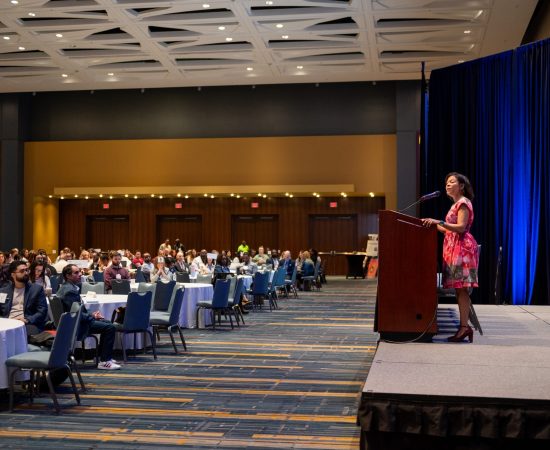
Tow Youth Justice Institute’s essence: Bringing our collaborators’ ideas to reality. TYJI’s core purpose: We exist to make new ideas of justice a reality for Connecticut’s youth and families. What makes TYJI different: We help inform solutions to identified problems. Within the legislative process, we connect research to ideas and community partners to decision makers.
[delaware_empty_space height=”85″][delaware_section_title select_type=”6″ title=”Goals” heading=”h3″ size=”30″ text_color=”#8F3237″]
Our strategic goals are the pillars of our mission. They translate our vision into action, guiding our research, policy work, and community-building efforts to achieve measurable, positive outcomes for youth, families, and communities.
[/delaware_section_title][delaware_empty_space height=”50″]
[delaware_icon_box select_type=”2″ icon_type=”svg_icon” svg_name=”tall-city-building” icon_color=”#8F3237″ icon_size=”58″ value_icon=”projection” link=”url:%23|title:We%20Inspire%20Policy” el_class=”no-box-shadow”]We develop and facilitate the implementation of effective, impactful youth justice policies to reform the juvenile justice system. This is no small feat, requiring thousands of hours of patient collaboration and stewardship with hundreds of key stakeholders, demonstrating our capacity to build true systems of change.[/delaware_icon_box]
[delaware_icon_box select_type=”2″ icon_type=”svg_icon” svg_name=”strategy” icon_color=”#8F3237″ icon_size=”58″ value_icon=”strategy” link=”url:%23|title:We%20Train%20for%20the%20Future” el_class=”no-box-shadow”]We utilize our vast network of experts and partners to help train youth-oriented working professionals in best practices, offer technical assistance, and educate Connecticut’s youth about social justice issues that impact them and their families.[/delaware_icon_box]
[delaware_icon_box select_type=”2″ icon_type=”svg_icon” svg_name=”global” icon_color=”#8F3237″ icon_size=”58″ value_icon=”marketing” link=”url:%23|title:We%20Engage%2C%20Inform%2C%20and%20Build%20Community” el_class=”no-box-shadow”]We create space where the youth justice community, youth, and their families can be informed, remain engaged and connected, and work together toward the best possible outcomes for youth.[/delaware_icon_box]
[delaware_empty_space height=”50″]
[delaware_section_title select_type=”6″ title=”Our History” heading=”h3″ size=”30″ underline_check=”1″ text_color=”#8F3237″]
The Tow Youth Justice Institute (TYJI) was created in the fall of 2014 thanks to the generous support of The Tow Foundation, whose many years of investment in juvenile justice improvements have had a significant impact in Connecticut and beyond. With the Tow Foundation, the University of New Haven and the State of Connecticut as its anchors, and the expertise and knowledge of juvenile justice that existed in the Henry C. Lee College at the University of New Haven, the direction of the Institute took shape as a force for sustaining and building on the many reforms achieved in our state in decades past.
The TYJI is one of a few organizations in the State of Connecticut and the nation solely dedicated to youth justice based on a comprehensive, interdisciplinary, research-driven model to address this multi-faceted issue. Its results-oriented approach to advance effective practices in juvenile justice benefits children and families and enable our faculty and students to engage in meaningful work that will build knowledge and impactful learning experiences.
[/delaware_section_title][delaware_empty_space height=”50″]

[delaware_section_title select_type=”5″ title=”Timeline and Impact Statistics” heading=”h3″ size=”30″ underline_check=”1″ text_color=”#8F3237″][/delaware_section_title]